
 Nnamdi Constance


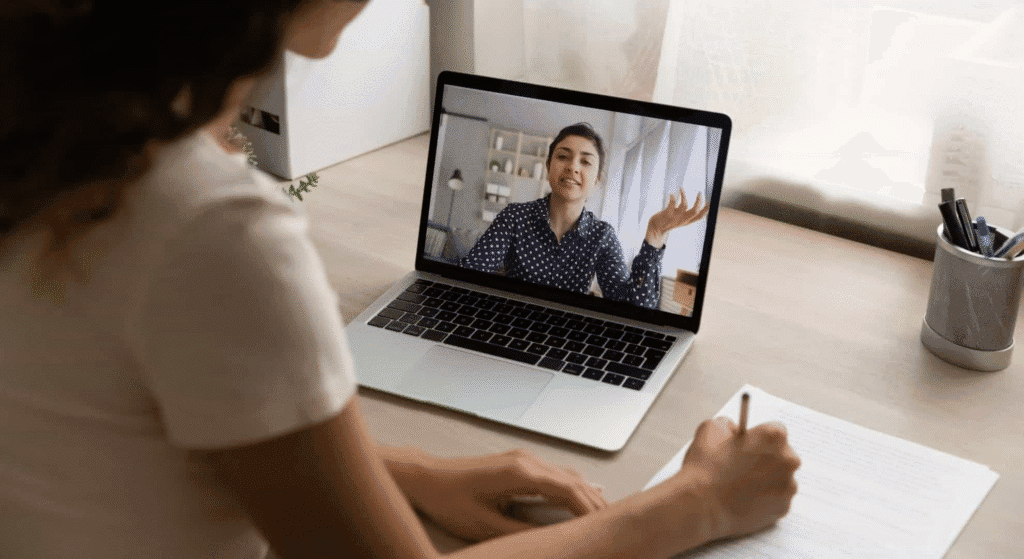
Is Gen Z too into mental health, or are they simply the trailblazers embracing emotional well-being without a hint of shame? With buzzwords like “setting boundaries” and “healing your inner child” lighting up TikTok, conversations about therapy have gracefully transitioned from the therapist’s office to the vibrant realm of social media. This cultural shift is dramatically transforming society’s perception of mental health, inviting a new era of openness and understanding.
While older generations may view this emotional openness as oversharing or self-obsession, Gen Z seems determined to normalize mental health conversations, even if it sometimes leads to backlash.
Therapy Talk Is Now Mainstream—Thanks to Gen Z
Gen Z grew up online, and that includes how they talk about their feelings. Platforms like TikTok, Instagram, and YouTube are now filled with creators sharing mental health tips, self-diagnosis guides, and even therapy session breakdowns.
This surge isn’t accidental. In fact, a 2023 report by the American Psychological Association found that Gen Z reports higher levels of anxiety and depression than any other age group—but they’re also more likely to seek help and talk about it publicly.
Terms like “gaslighting,” “trauma bonds,” “attachment styles,” and “boundaries” have become part of daily vocabulary. But does that mean they’re going too far?

Is Gen Z Too Into Mental Health – Or Just More Emotionally Literate?
Critics often claim that Gen Z is pathologizing everyday struggles. They argue that not every bad day is a depressive episode, and not every difficult conversation is emotional abuse. Overusing clinical terms may lead to blurred lines between actual diagnoses and normal life stress.
Still, many mental health professionals see the upside. Emotional literacy is critical for healthy relationships and personal growth. Gen Z is learning this early, while older generations often learned to suppress or ignore their feelings. According to The Guardian, many Gen Ze’s treat therapy as a life essential, prioritizing it the same way they would rent or groceries. That’s a major cultural shift, and it signals a deeper understanding of personal wellness.

What’s the Risk in Overusing Mental Health Language?
With so much mental health content online, it’s easy to confuse personal experience with professional advice. Short-form videos often oversimplify complex psychological concepts, and viewers may self-diagnose based on limited information.
A BMJ study found that up to 40% of mental health content on TikTok is misleading or lacks evidence. That’s concerning when millions use the platform to “educate” themselves on mental disorders.
The danger lies in mistaking TikTok therapy tips for actual medical advice. Online creators, while often well-intentioned, are not a substitute for trained professionals.

Is It All Bad? Not Really.
Despite concerns, Gen Z’s approach to mental health offers some major benefits. They are more likely to:
- Seek therapy early
- Set emotional boundaries
- Speak openly about mental illness
- Support friends through challenges
These are habits that foster resilience, not weakness. Their openness might sometimes be excessive, but it also reduces stigma and encourages others to seek help too. In fact, studies show emotional awareness can lead to a longer life. Learn more in Why Emotional Health Plays a Role in Living Longer.
So, Is Gen Z Too Into Mental Health?
Maybe not “too into it”—just into it in a way that challenges what came before.
Where past generations were taught to bottle up emotions, Gen Z is learning to name, express, and manage theirs. Yes, there’s a risk in misusing therapy language, but the cultural benefits of this openness are real. As long as online content is paired with critical thinking and professional support, this emotional revolution may just be what society needs.


